I created an audience research survey in order to find out about my target audience. I will be analysing this data in 3 weeks' time. During this time, I will be posting the survey on social networking sites to get as many responses as possible. I am aiming for 150! You can complete the survey below.
Thursday, 18 September 2014

Friday, 12 September 2014
Textual Analysis: Bohemian Rhapsody
The first official music video ever released was Queen's Bohemian Rhapsody in 1975. I decided to look in great detail at how this video is presented, in order to ensure I incorporate elements of this video into my own.
Summary
Bohemian Rhapsody is broken into various distinct sections: a ballad section ending with a guitar solo, an operatic passage and a hard rock section. The music video is mainly performance-based and shows the artist playing the song.
Goodwin's Six
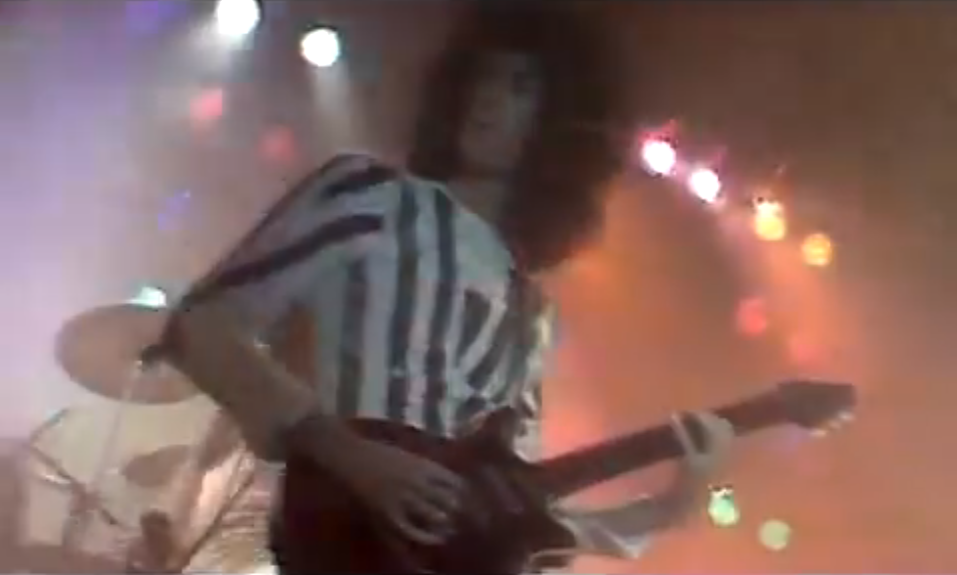
The music video demonstrates certain genre characteristics. For example, you can clearly see a guitar solo being played. Electric guitars and solos are particularly common in the rock genre, and this characteristics reinforces the representation of rock.
Also, the band is seen to be very active on the stage whilst performing, full of energy and very exuberant - also a characteristic of a rock artist.

Additionally, there is a relationship between the lyrics and the visuals. Especially as the video is a performance music video, you can clearly see the lead singer singing the lyrics of the song. The lyrics and the visuals run parallel with each other so you can quite clearly see it is the lead singer who is singing.

Evidently, Bohemian Rhapsody follows some of the codes and conventions of a typical music video according to Goodwin. However, there are some characteristics that it does not reinforce - for example, a voyeuristic view of the female body is not apparent in this music video - there are not even any women. Despite this, arguably, music videos had evolved considerably by the time Goodwin wrote his theory, and so now, different things are expected of them.
Camerawork


Sound
 The band chose to use a lot of instruments that are typical of the rock genre. For example, they used drums, electric guitar, bass guitar and piano, all of which are visually reinforced in the video. These instruments entice Queen's primary target audience.
Additionally, the lyrics of this video play a large role in its success. They have a clear link with the video, since Queen are playing the song and singing in it.
Thursday, 11 September 2014
Preliminary Task
After learning new skills on Final Cut, we had to put them into practice by filming a rough music video to the song Why Does Love Do This To Me. Here is the original music video.
In our version of the music video, we learnt various new editing skills whilst doing it. For example, we learnt how to use green screen, split screen, key framing and colour manipulation tools on Final Cut. Our filming was not of the best quality because we were most interested in making the most of learning how to use the program before we split up to film our own music videos!
Tuesday, 9 September 2014

Research: Performance Music Video
Although there are various different styles of music video, they usually all share purposes:
- Music videos promote a single. If more people are interested in watching a video, this would also advertise the song to them and, possibly, an entire album.
- The music videos also promotes the artist or band. Especially if the artist is particularly new or unknown, music videos help in making the artist's face and music more well-known.
- Depending upon the style of music video, it also helps to create, adapt and feed into the artists 'star image'. For example, if an artist wanted to be perceived as quite a 'bad boy' character, they will have quite a hardcore music video to showcase themselves. For example, they may use much darker colours or show the artist doing things they shouldn't be - perhaps breaking the law or being aggressive towards somebody else.
- Music videos also help to entertain the audience. Some people may not be interested by the concept of just listening to a song, but the visual aid of a music video would make the song more popular to people who would prefer to watch a video.
The typical music video would last between 3 and 4 minutes, and would combine a mix of life performance, narrative and other visual imagery including computer graphics and animation. Consequently, this helps to advertise the band/artist as well as the song.
Primarily, there are three main categories for music videos.
Performance
In many music videos, the artists are seen performing the song as part of it. This is the most traditional type of music video since they originally developed from compiling clips of performances. An example of a performance video would be Bon Jovi's Livin' On A Prayer from 1986.
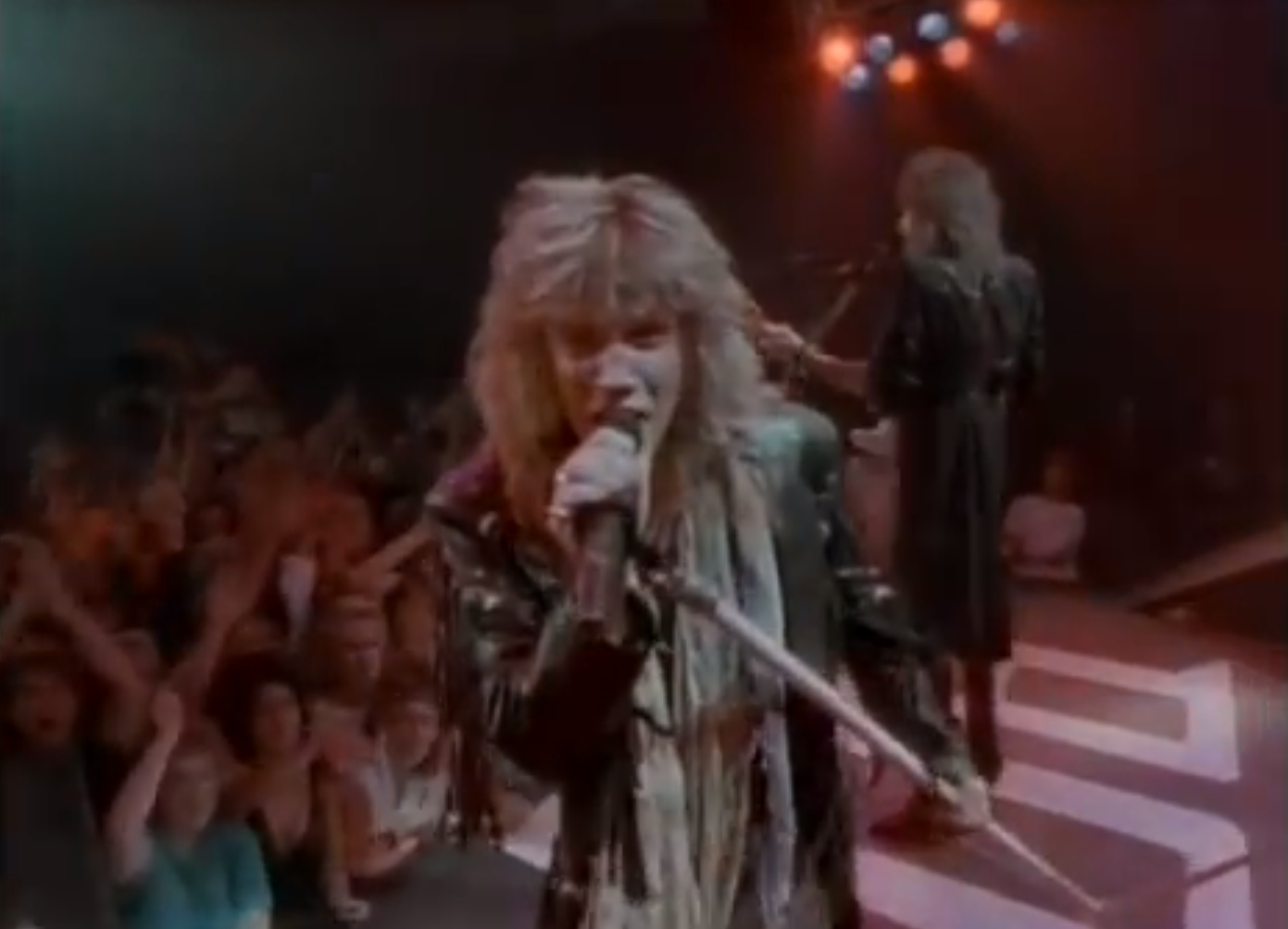
This video follows many of the conventions of a performance video. For example, the video often contains many shots of the artist performing. This means that the audience can make a connection between who is singing in the video and the song, meaning that they come to learn who the artist is.
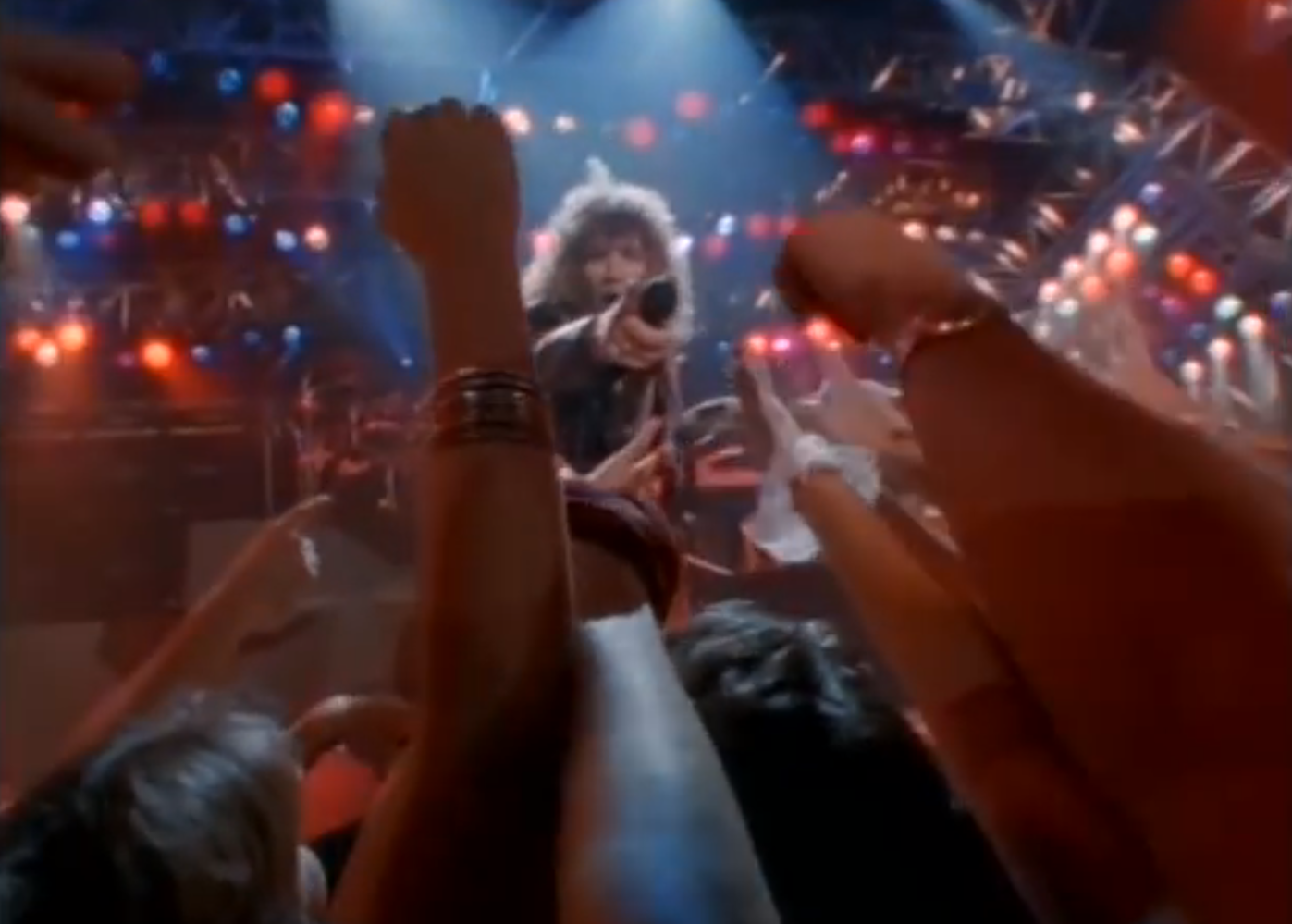
This particular example of performance music video involves a live stage performance, something that is very common in this genre of video. It has shots of both the artist singing and the audience joining in with them, showing that the artist is very popular, successful and good at entertaining a crowd.
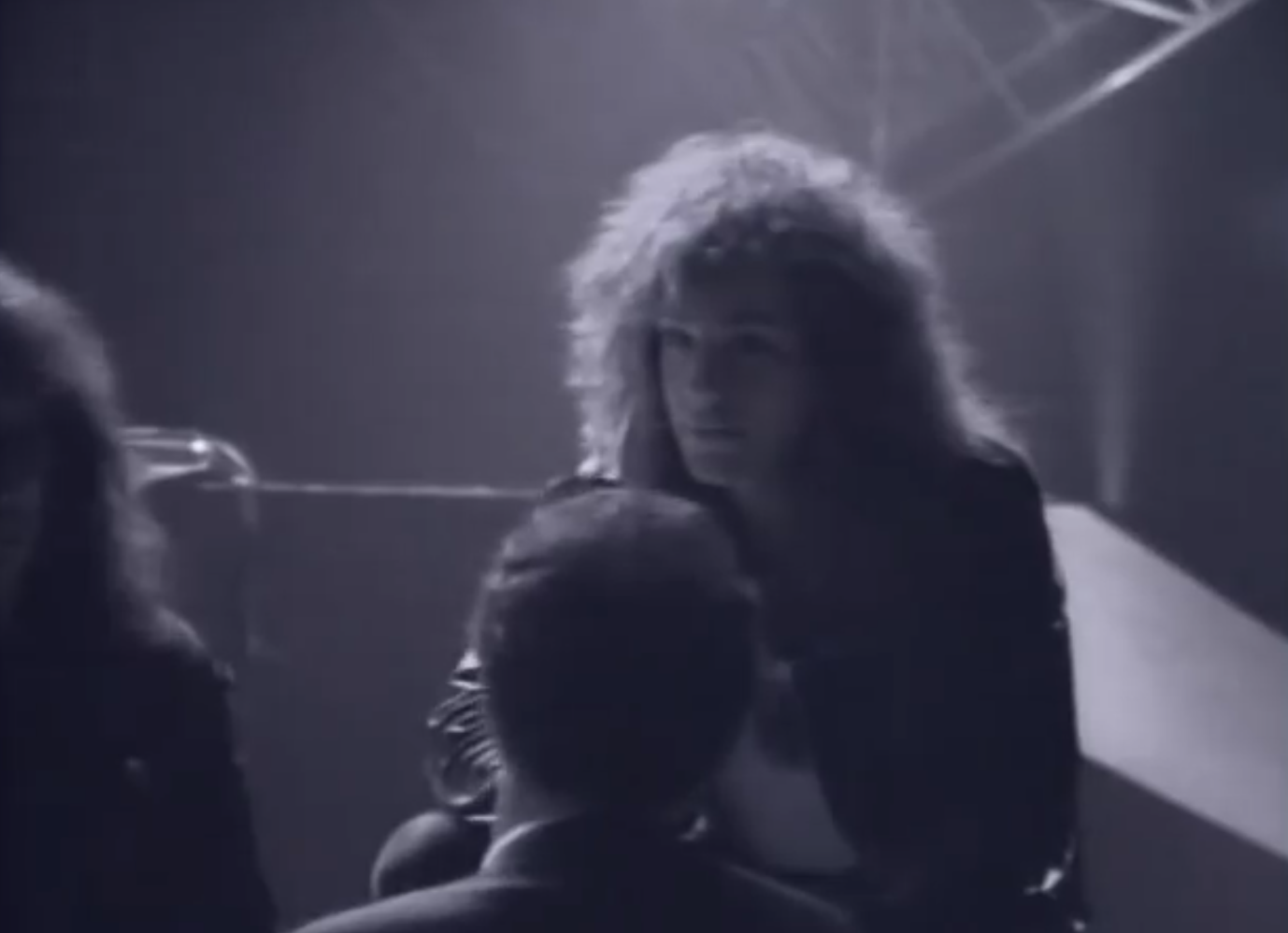
You also see Bon Jovi in a "real life" situation where they are talking and warming up with each other. Only half of the actual music video involves them performing to an actual audience. During the other half, they are rehearsing together and warming up.

Additionally, there is a particular visual style that matches the artist. The mise-en-scene of the video is made up mainly of red, orange and black colours, including the artist's stage lighting and costume. These colours adhere to the rock genre and so help to convey the artist's image and style to the audience of the video.
Overall, Bon Jovi's Living On A Prayer is clearly a performance music video as it follows almost every code and convention. Many of Bon Jovi's music videos originate from the same genre and so, this exemplifies the 'star image' that this artist endeavoured to achieve.
Overall, Bon Jovi's Living On A Prayer is clearly a performance music video as it follows almost every code and convention. Many of Bon Jovi's music videos originate from the same genre and so, this exemplifies the 'star image' that this artist endeavoured to achieve.
Tuesday, 15 July 2014
Wednesday, 2 July 2014
Director Study: Sophie Muller
Sophie Muller is a British music video director. She has had many collaborations with famous artists over her 32 years in the industry, such as Sophie Ellis-Bexter, The Killers, Blur, Leona Lewis and Annie Lenox. Muller is 52 years old and works solely as a music video director, having done no work in film or advertising, and has directed over 100 productions. Many have dubbed her as the most successful female music director of all time. I decided to analyse 2 of Muller's music videos from slightly different time periods - 1 from 2007 and 1 from 2013, from just 8 months ago.
MIKA - Grace Kelly
Firstly, I decided to analyse MIKA's music video, Grace Kelly, which was released in 2007 but filming commenced in November 2006. The video was nominated for numerous worldwide awards.
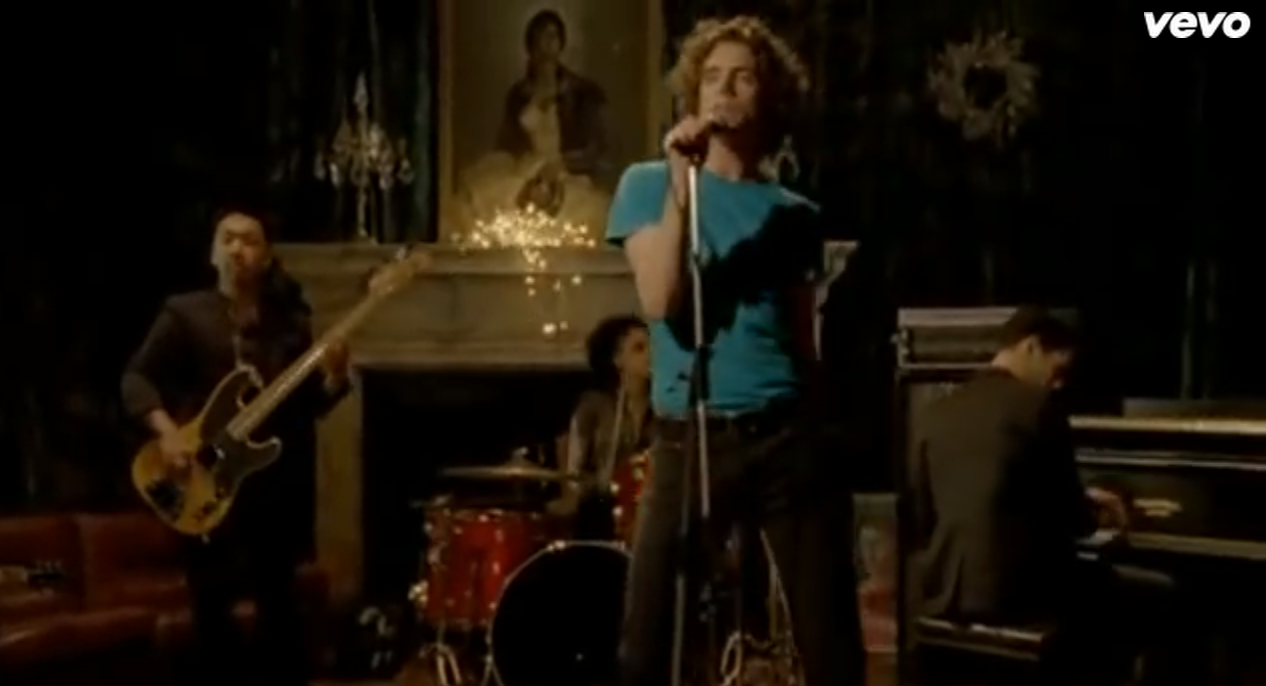 This music video would be categorised as a performance video and there are some elements that can be used to identify this. The most obvious, of course, is that there are shots of the artist performing the song. Therefore, it allows the audience to make a relationship between the person singing and the song itself, meaning that it becomes more clear who the song belongs to. In performance music videos, shots of the artist performing are essential.
Performance videos also may present the artist in real-life situations such as warming up, talking or simply fooling around. During the introduction to this video, MIKA is seen to be talking to a young girl before he starts performing. Although the words are lip-synched and do fit into the rhythm of the music, this shows MIKA being in a real life situation and so this characteristic of performance music videos can also be applied.

Finally, many close-ups of the artist are displayed throughout the music video. The reason for this is because these close-up shots help to promote the main star in the music video and consequently, this makes them more recognisable in the media. This will lead to a higher profile for the artist and so, eventually, will generate a higher revenue for the record label. These close-ups also give the audience a chance to see MIKA performing.
Goodwin's music video theory can also be applied to Grace Kelly. The theory consists of seven main codes and conventions that Goodwin believed many music videos had in common with each other, and many of these elements can be seen to be used by Muller in MIKA's music video.

Firstly, there is an evident relationship between the lyrics and the visuals in the music video. The main star of the video, MIKA, is quite clearly singing the song. This links back to the video possessing the characteristics of a performance music video. This link between the lyrics and the visuals makes the music video seem more relevant to the song.

Similarly, there is also a distinct relationship between the music and the visuals used in the music video. For example, in Grace Kelly, you see MIKA performing on the piano. This piano is also used in the song, making it appear as if MIKA is playing the song to the girl. Again, this relationship between the music and the visuals mean that the video seems relevant to the song and so the audience is more likely to enjoy it.
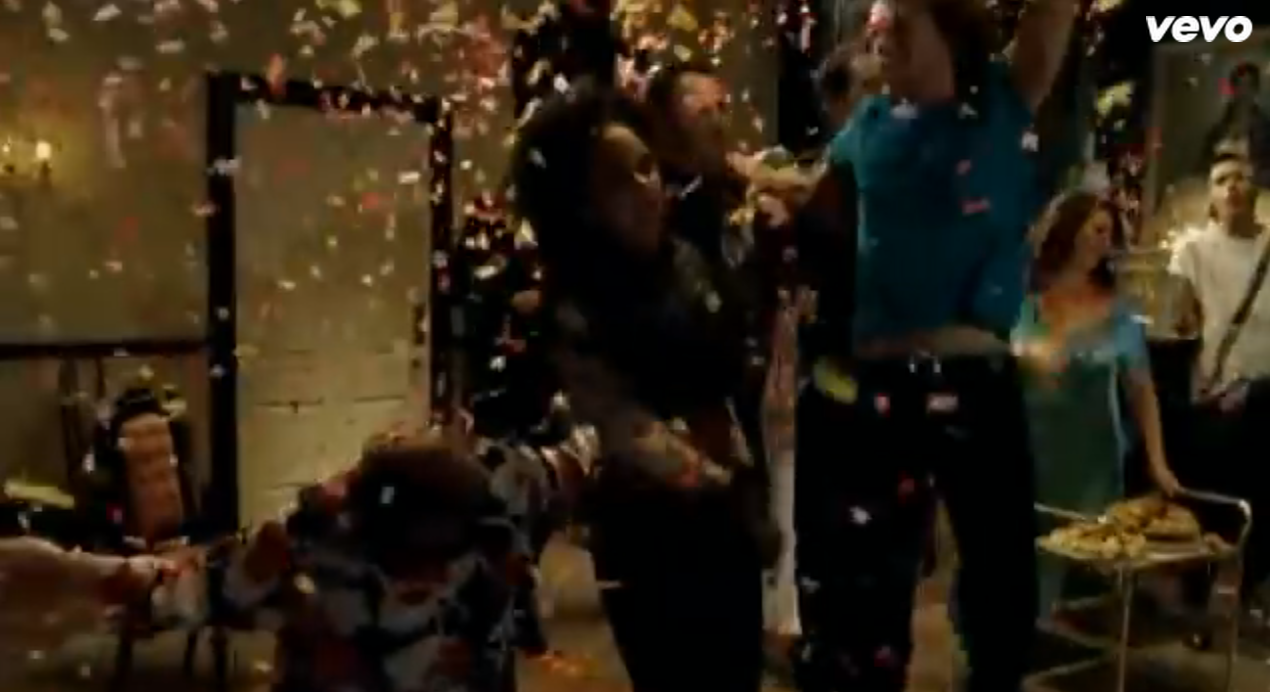 According to Goodwin, music videos should also demonstrate certain genre characteristics. Grace Kelly is a pop song and the music video is certainly reflective of this. In terms of mise-en-scene, very bright colours are used. There is multicoloured confetti as well as people dancing with MIKA, who is wearing blue (connotative of calmness and relaxation). The video also stars mainly young people because this attracts the main target audience of the pop genre - young people. This up-beat style is very typical of pop music videos.
 Finally, MIKA's Grace Kelly music video also follows a distinct visual style. For example, if you watch another MIKA music video, such as Love Today (which was released in the same album as Grace Kelly) you will notice that it follows a very similar style. For example, lots of people are seen to be wearing very bright colours and dancing together whilst the star is performing. A screenshot from Love Today can be seen on the left.
Overall, I absolutely love this music video. I really like the pop genre (and, being a young person, am part of the target audience) and I think that Muller did a great job at directing this video in order to entertain the audiences and help to reinforce the song lyrics through MIKA's unique performance style.
Robin Thicke - Feel Good
The second music video I have decided to analyse is American recording artist Robin Thicke's Feel Good. The music video was also directed by Sophie Muller. The song was released on 12th November 2013.
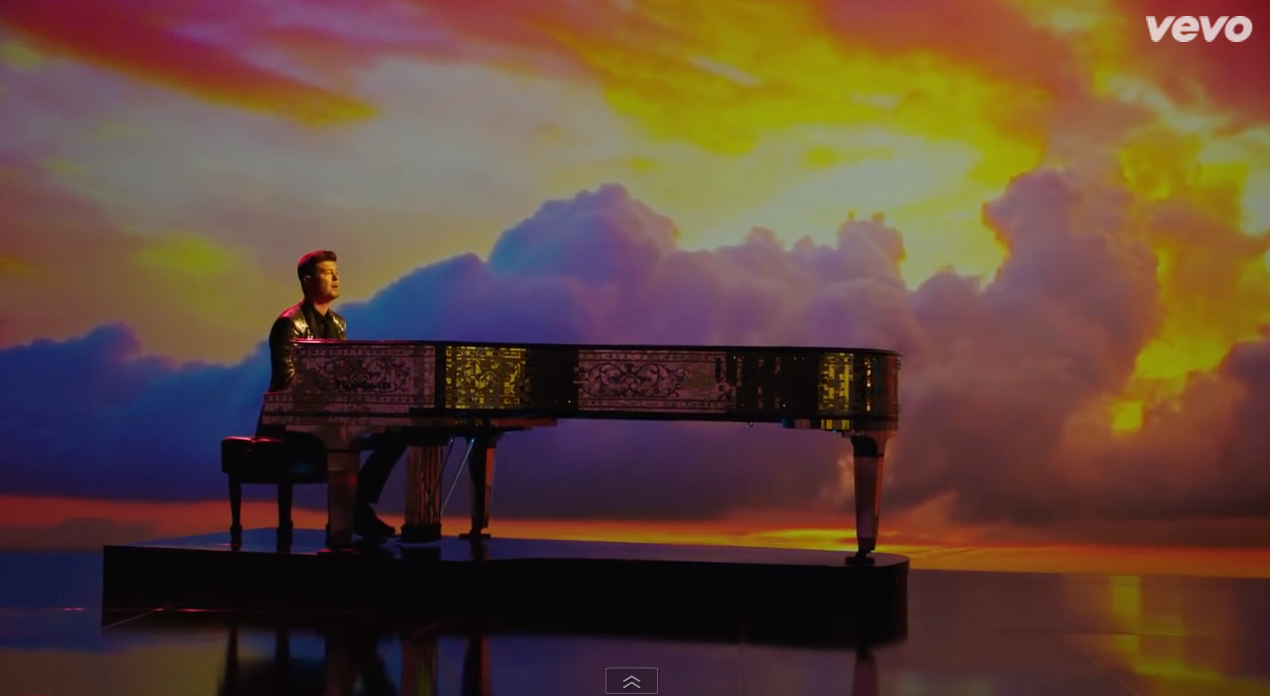 Similarly to Grace Kelly, I would categorise this as a performance music video. Robin Thicke - the main star and artist in the video - is seen to be singing the song and playing the music during the video. Again, this is done in order to allow for the audience to construct a relationship between the artist and the music, meaning that they are more likely to listen to other songs that belong to the same artist in the future, because they have prior knowledge of their genre.
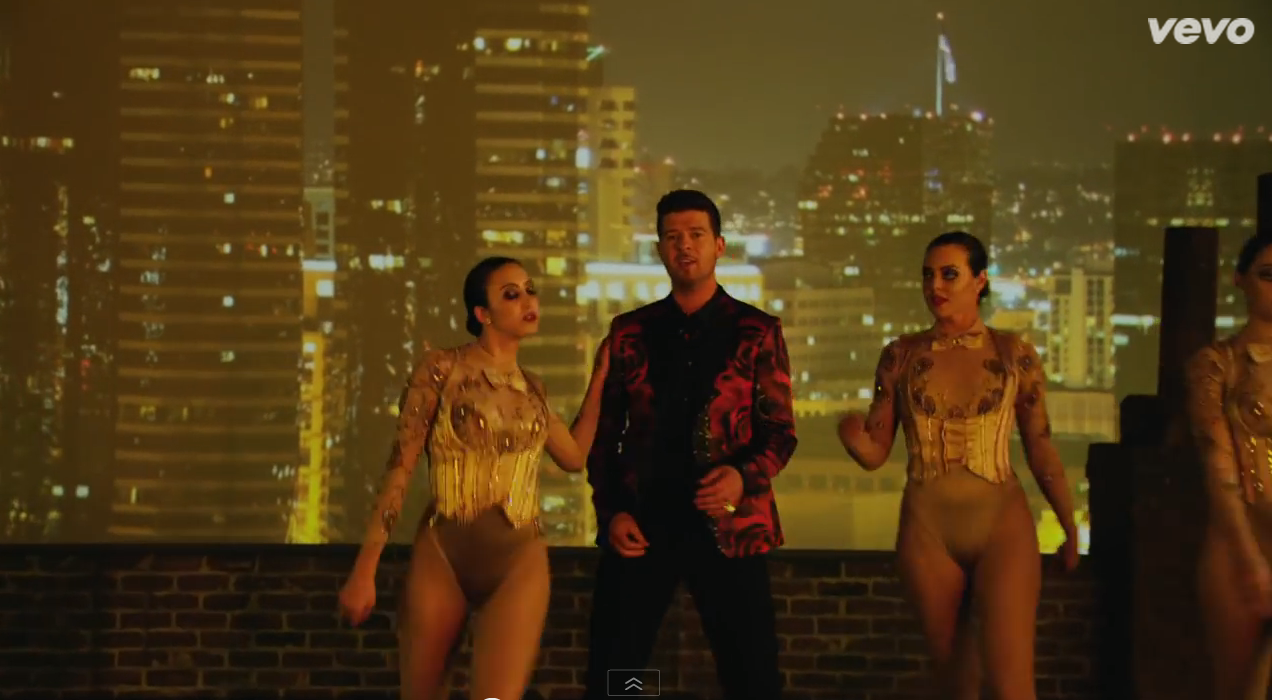 Something that Feel Good's music video contains that Grace Kelly's does not is shots of the artist performing in unusual places. In Feel Good, Robin Thicke can be seen to be performing with dancers on a roof top in a particularly urban location at night. This is another element of a performance music video and, although it is slightly different to MIKA's, still shows the artist performing.
 Additionally, the artist can be seen in a real-life situation. Near the end of the video, Robin Thicke can be seen sitting alone in a room drinking alcohol. Not only is this something that many of the target audience would enjoy doing, and so would be able to relate to it, but many musical artists are stereotypically people who enjoy getting drunk. Therefore, it also adheres to stereotypes of famous people.
Muller also appears to have adhered to some of the codes and conventions propounded by Goodwin in the Feel Good music video, some of which are more prominent than others.
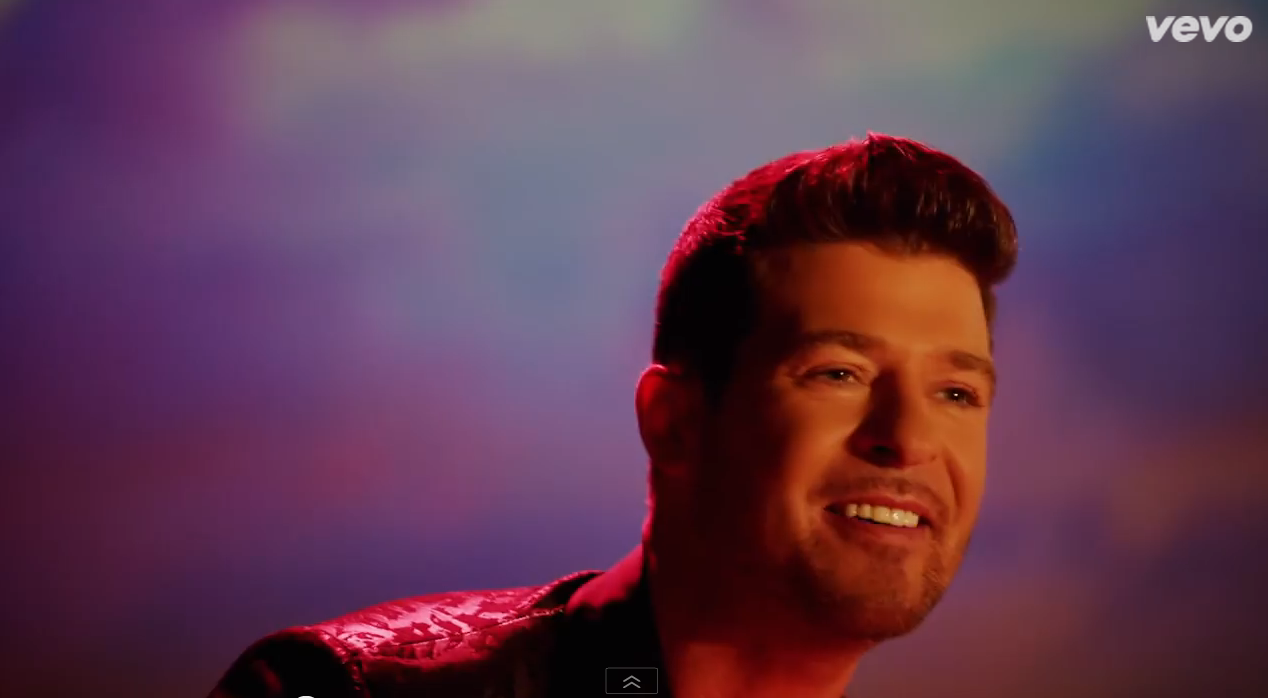 Firstly, the demands of the record label will include the need for lots of close-ups of the artist. There are various close-up shots of Robin Thicke singing and performing throughout this music video. This helps to give him a higher profile and therefore, will generate a larger sum of money in future endeavours with the record label as more people will be aware of him and want to buy his music.
 Also, there is a frequent notion to 'looking' and particularly voyeuristic treatment of the female body. In the video, there are absolutely no male dancers. All of the dancers are wearing pink, which is particularly stereotypical of females. The female dancers are wearing a small amount of clothing as not only does this encourages the male gaze and make more males want to watch the video, but it makes Robin Thicke look more manly and powerful.
 This also links into Robin Thicke's development of motifs and iconography that recurs across his work. Blurred Lines, another song released by Robin Thicke earlier in 2013, also had only female dancers that were treated in a very objectified manner. They wore almost no clothing and again, encouraged the male gaze. This has resulted in Robin Thicke developing a very controversial image of being a "ladies man", which in turn makes him more popular with his target audience.
Sophie Muller clearly does not have a distinct 'style' when she is directing her music videos. MIKA's music video is quite fun and up-beat, whereas Robin Thicke's is more raunchy and directed towards an older audience. However, saying that, both of Muller's videos that I have studied have been performance videos. This may suggest that many of Sophie Muller's music videos show the artist performing, perhaps because this makes them more well-known by the audience.
Overall, I am a fan of Sophie Muller's work. I think that she does a very good job at a creating music videos that are reflective of the song and that engages the audience and enhances the overall impact of the song. The performance aspects of the videos are also very entertaining and allows for the audience to develop more of a relationship with the artist. I am a big fan of Muller's work!
According to Goodwin, music videos should also demonstrate certain genre characteristics. Grace Kelly is a pop song and the music video is certainly reflective of this. In terms of mise-en-scene, very bright colours are used. There is multicoloured confetti as well as people dancing with MIKA, who is wearing blue (connotative of calmness and relaxation). The video also stars mainly young people because this attracts the main target audience of the pop genre - young people. This up-beat style is very typical of pop music videos.Overall, I absolutely love this music video. I really like the pop genre (and, being a young person, am part of the target audience) and I think that Muller did a great job at directing this video in order to entertain the audiences and help to reinforce the song lyrics through MIKA's unique performance style.
Robin Thicke - Feel Good
The second music video I have decided to analyse is American recording artist Robin Thicke's Feel Good. The music video was also directed by Sophie Muller. The song was released on 12th November 2013.
Similarly to Grace Kelly, I would categorise this as a performance music video. Robin Thicke - the main star and artist in the video - is seen to be singing the song and playing the music during the video. Again, this is done in order to allow for the audience to construct a relationship between the artist and the music, meaning that they are more likely to listen to other songs that belong to the same artist in the future, because they have prior knowledge of their genre.Something that Feel Good's music video contains that Grace Kelly's does not is shots of the artist performing in unusual places. In Feel Good, Robin Thicke can be seen to be performing with dancers on a roof top in a particularly urban location at night. This is another element of a performance music video and, although it is slightly different to MIKA's, still shows the artist performing.Muller also appears to have adhered to some of the codes and conventions propounded by Goodwin in the Feel Good music video, some of which are more prominent than others.
Firstly, the demands of the record label will include the need for lots of close-ups of the artist. There are various close-up shots of Robin Thicke singing and performing throughout this music video. This helps to give him a higher profile and therefore, will generate a larger sum of money in future endeavours with the record label as more people will be aware of him and want to buy his music.This also links into Robin Thicke's development of motifs and iconography that recurs across his work. Blurred Lines, another song released by Robin Thicke earlier in 2013, also had only female dancers that were treated in a very objectified manner. They wore almost no clothing and again, encouraged the male gaze. This has resulted in Robin Thicke developing a very controversial image of being a "ladies man", which in turn makes him more popular with his target audience.Sophie Muller clearly does not have a distinct 'style' when she is directing her music videos. MIKA's music video is quite fun and up-beat, whereas Robin Thicke's is more raunchy and directed towards an older audience. However, saying that, both of Muller's videos that I have studied have been performance videos. This may suggest that many of Sophie Muller's music videos show the artist performing, perhaps because this makes them more well-known by the audience.
Overall, I am a fan of Sophie Muller's work. I think that she does a very good job at a creating music videos that are reflective of the song and that engages the audience and enhances the overall impact of the song. The performance aspects of the videos are also very entertaining and allows for the audience to develop more of a relationship with the artist. I am a big fan of Muller's work!
Subscribe to:
Posts (Atom)